Contingent Workforce Planning: Forecasting Flexible Headcount for the Year Ahead
Contingent workforce planning helps organizations estimate how much external talent they may need, when they will need it, and where…
Select location
AI transforms healthcare at a phenomenal speed, enhancing diagnostics, patient care, and operational efficiency. AWS healthcare AI endorses this transformation with AI-oriented solutions that set the healthcare stakeholders free by enabling them to make data-driven decisions, automate workflows, and improve patient outcomes. The paramount consideration in the adoption of AI will always be accuracy, security, privacy, and fairness. How is AI in healthcare going to shape the future, and are you ready to embrace it?

How AI is Redefining Patient Care
The tools designed by AWS for healthcare are unequalled in the field of AI:
AI is no longer about the future, it’s here to reinvent healthcare today. AWS healthcare AI is on the cutting edge of this transformation, from smarter diagnostics and personalized treatments to seamless automation and predictive analytics. But to successfully harness AI, one must take a strategic approach that emphasizes accuracy, security, privacy, and fairness.
At Compunnel, we are actively working with healthcare organizations to harness artificial intelligence in healthcare to improve patient outcomes and optimize operations. Our expertise enables healthcare providers to:
Partnering with Compunnel allows healthcare organizations to maintain a seamless flow of AWS patient care solutions and make data-driven decisions that will positively impact lives and quality of care.
Let’s transform healthcare together.
What challenges or opportunities do you envision concerning the integration of artificial intelligence in healthcare?
How well can AWS healthcare support patient management and the roles of medical professionals?

List of Content
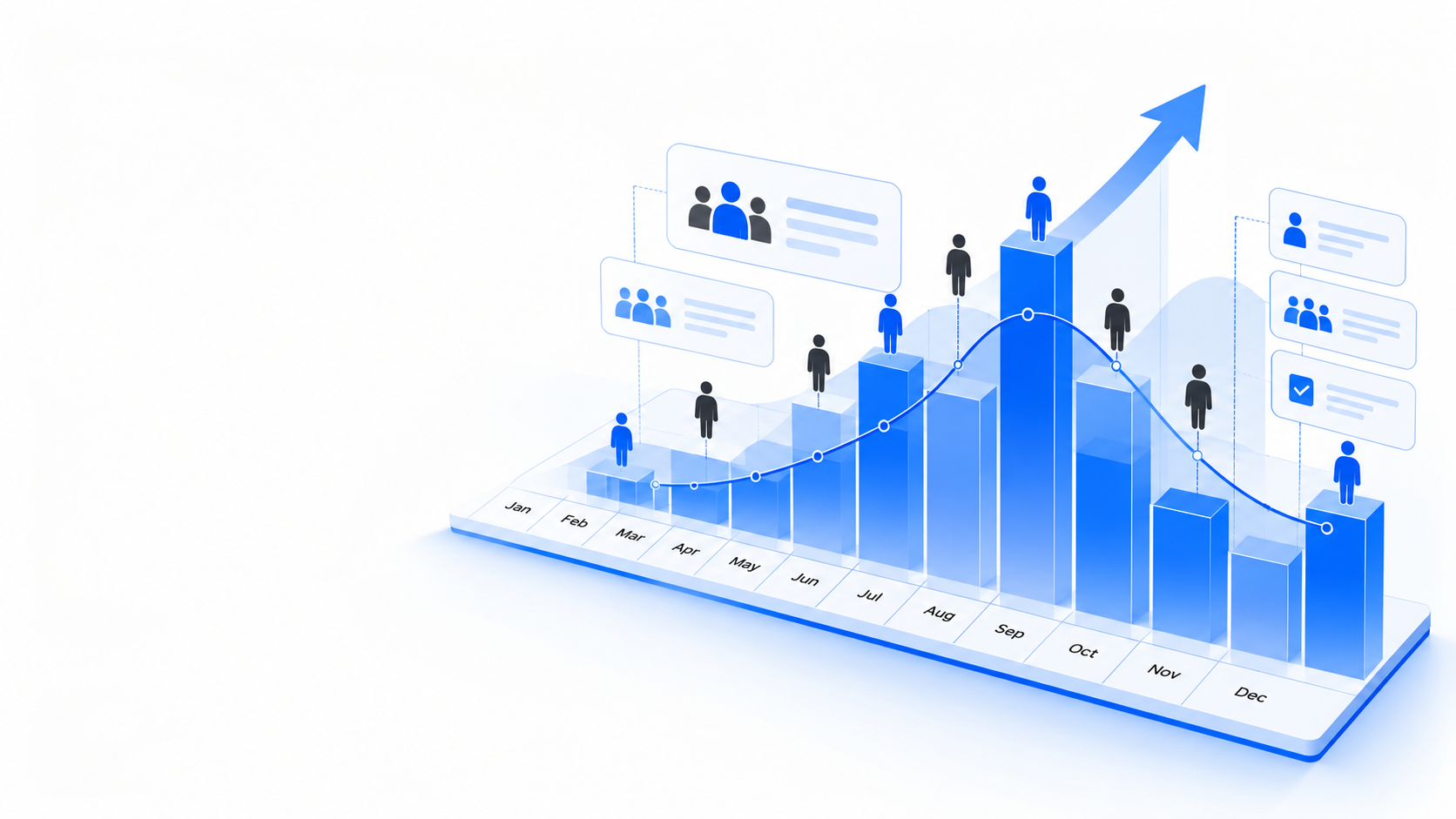
Contingent workforce planning helps organizations estimate how much external talent they may need, when they will need it, and where…

Managed payroll services move much of the day-to-day payroll administration to a third-party provider. The provider can handle payroll calculations,…