Cybersecurity for Generative AI: New Risks, New Defenses for 2026
A New Pandora's Box: The Double-Edged Sword of Generative AI The global rollout of Generative AI (GenAI) is perhaps the…
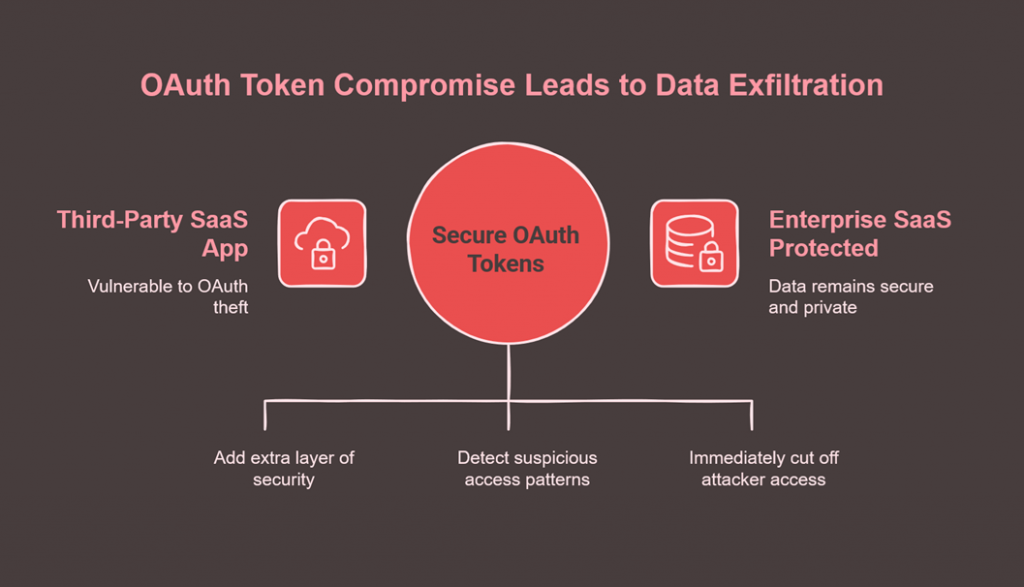
Imagine this: an attacker logs into your most sensitive data, your CRM, your customer database, your proprietary source code—but they aren’t using stolen credentials. They aren’t exploiting a firewall vulnerability. They’re walking in through the front door, using a perfectly legitimate key that a marketing analyst or sales rep authorized months ago.
This is the grim reality of the modern SaaS supply-chain breach. Your security team is focused on locking down your core cloud infrastructure, your VMs, your buckets, and your IaaS perimeter. Yet attackers are bypassing all of it by simply “renting your cloud.” This is exactly why enterprises are now turning to advanced cybersecurity services to gain visibility beyond infrastructure and into the identities, tokens, and third-party connections that now define the real attack surface.
They aren’t compromising your infrastructure; they are abusing the trusted, high-privilege access you’ve effectively leased out to third-party applications, plugins, and AI tools. This access, typically granted via an OAuth token or similar mechanism, acts as a long-lived, silent back door, emerging as the defining financial and operational threat for 2026.
For years, the conversation around cloud security has been dominated by infrastructure—S3 buckets, firewall rules, and VPC configurations. But that perimeter-centric model is obsolete.
The reality for the enterprise is that operations now run on an average of over 100 different SaaS applications. Each of these is a potential doorway, but the greatest threat comes from the SaaS-to-SaaS integrations connecting them. Think of the chat widget plugged into your CRM, the data visualization tool connected to your storage, or the AI assistant integrated with your collaboration suite.
This interconnected mesh is the hacker’s new playground. Attackers are no longer just looking to breach your company; they are looking to compromise one of your upstream vendors or steal a delegated OAuth token to pivot directly into your most valuable assets.
This attack vector is accelerating. Recent industry research shows a sharp year-over-year increase in software supply chain attacks, signaling a clear shift in attacker focus away from traditional infrastructure and toward vulnerable application dependencies.
The core vulnerability lies in Shadow SaaS and unmanaged marketplace apps. Employees—from sales to HR—are incentivized to move fast, often clicking “Allow” on a “click-to-connect” prompt to integrate a new tool.
The sophisticated supply-chain attack works through silent abuse of delegated authority, making it incredibly difficult to spot with traditional tools.
1. OAuth Token Theft and Impersonation
Attackers compromise a smaller third-party SaaS vendor and steal long-lived OAuth tokens stored in its environment. These tokens let them impersonate legitimate users and pivot directly into high-value platforms like Salesforce or GitHub. Because the access is technically authorized, it bypasses traditional network and security alerts.
2. Cascading Identity Provider Compromise
By breaching an upstream identity provider or its support environment, attackers gain access to multiple downstream enterprise customers at once. This can bypass multi-factor authentication entirely, triggering rapid, large-scale exposure across industries.
3. Silent, Persistent Data Exfiltration
Once inside via a valid OAuth token, attackers rarely deploy loud, disruptive tactics. Instead, they operate quietly, exfiltrating sensitive data over days or weeks while appearing as legitimate users or trusted applications. Because the activity originates from authorized connections, it often evades both network and endpoint detection tools. The business impact is severe: Verizon’s DBIR reports that nearly 30% of breaches now involve third-party access, sharply increasing financial, regulatory, and reputational exposure. By the time these breaches are detected, the damage is often already systemic.
Most enterprises have locked the front door, but attackers are walking in through the services plugged into the smart TV.
CISOs believe the cloud is secured, but the attack surface has already moved beyond their traditional line of sight.
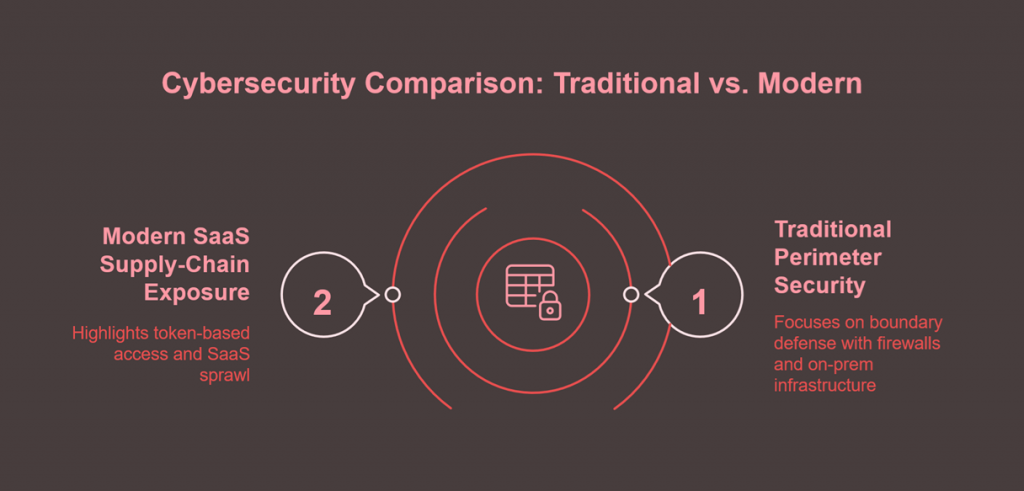
SaaS supply-chain risk is no longer an edge case—it must be a first-class citizen in your 2026 security strategy. The time for reactive measures is over; leaders must implement a continuous, identity-aware program for this new attack vector.
1. Achieve Full SaaS Footprint Visibility
Map every SaaS app, every OAuth connection, and all third-party access into core systems like CRM, HRIS, and code repositories. If you don’t have full visibility, you don’t have real control.
2. Enforce Continuous Access & Token Hygiene
3. Integrate Risk into Business Operations
4. Bake SaaS Supply Chain into Incident Response
Assume third-party compromise as a core breach scenario. Prepare rapid token revocation and SaaS quarantine playbooks to limit data loss, downtime, and regulatory exposure.
Managing modern cloud risk now means securing the entire ecosystem of identities, tokens, and third-party integrations orbiting your environment. Compunnel helps organizations evolve from static, checkbox assessments to continuous visibility—mapping who has access, which tokens are active, and what critical data sits exposed across SaaS and cloud platforms.
With governance frameworks, real-time monitoring, and operational playbooks, we help leaders elevate SaaS supply-chain risk from a buried technical concern to a measurable business issue—one that ties directly to financial impact and board accountability.
The organizations that thrive in 2026 won’t be the ones with the biggest tool stacks. They’ll be the ones that understand the new reality: you’re not just defending your cloud anymore—you’re defending everything connected to it.
Ready to understand your real SaaS exposure?
Book your free Cybersecurity Strategy Session and get a clear view of your true cloud attack surface:
https://www.compunnel.com/free-cybersecurity-strategy-session

List of Content

A New Pandora's Box: The Double-Edged Sword of Generative AI The global rollout of Generative AI (GenAI) is perhaps the…

The Silent Revolution: Why APIs Are Your Company’s True Perimeter Forget the firewall. Forget the VPN. If your organization is…